Black Friday Scams: How to Get Your Money Back
This post is general information about US consumer-protection law, not legal advice. If a large amount of money is at stake, talk to a consumer attorney in your state. Laws and card-network rules change, and your card issuer's own deadlines may be shorter than the federal minimums described here.

Black Friday falls on Friday, November 27, 2026, and the deals are real — but so are the traps. The Federal Trade Commission's newest annual data show that US consumers reported losing more than $12.5 billion to fraud in 2024, a 25% jump from the $10 billion reported in 2023. The FTC received fraud reports from 2.6 million consumers that year, and the share who said they actually lost money jumped from 27% in 2023 to 38% in 2024. The median reported loss was $497.
Online shopping sits near the top of the list. Imposter scams were the most commonly reported fraud category in 2024, and online shopping problems were the second most commonly reported. That is the category Black Friday shoppers fall into: a website that takes your money and never ships, a "deal" that turns out to be a counterfeit, a seller who vanishes the day after the sale. This post walks through the five scams showing up most this Black Friday, then gives you the recovery process step by step — report, dispute, chargeback — with the day counts that decide whether you get your money back, and a worked example with real dollar amounts.
The scale of the problem, in the FTC's own numbers
The FTC's Consumer Sentinel Network is the database where consumers, law enforcement, the Better Business Bureau, and others report fraud. Its 2024 data, published in March 2025, paint a clear picture:
| FTC fraud figure, 2024 | Amount |
|---|---|
| Total reported losses to fraud | $12.5 billion |
| Increase vs 2023 ($10 billion) | +25% |
| Fraud reports received | 2.6 million |
| Share of reporters who lost money | 38% (up from 27% in 2023) |
| Median reported loss, all fraud | $497 |
| Investment scams (largest by dollars) | $5.7 billion |
| Imposter scams (2nd by dollars; most reported) | $2.95 billion |
| Government imposter scams alone | $789 million (up from $171 million in 2023) |
| Business and job opportunity scams | $750.6 million |
| Losses paid with gift cards or reload cards | $212 million across 41,120 reports |
| Most common contact method | Email, then phone calls, then texts |
Two details matter for Black Friday shoppers. First, consumers reported losing more money to scams paid with bank transfers or cryptocurrency than with all other payment methods combined — and those payments are the hardest to reverse. Second, the FTC notes that it does not itself intervene in individual complaints; its reports feed law-enforcement investigations. Getting your own money back runs through your bank or card issuer, not through the FTC — which is why the dispute deadlines in this post matter so much.
The 5 Black Friday scams to watch for
- The fake storefront. A website appears days before Black Friday, advertises a popular item at 60–70% off, takes orders, and never ships anything. The site often copies the look of a real retailer, uses a web address one letter off from the real one, and runs ads on social media. Red flags: no physical address, no working phone number, prices far below every other seller, and a checkout page that only accepts wire transfer, cryptocurrency, or gift cards.
- The "order never arrived" seller. This one looks legitimate — a real listing on a marketplace or a small online shop — but the tracking number is fake or the package contains something worthless. The seller stalls ("it is still in transit") until the dispute window closes. The stall is the scam: every day you wait politely is a day closer to your deadline.
- The counterfeit deal. You order brand-name headphones, sneakers, or a small appliance and receive a knockoff worth a fraction of the price. The listing used the real brand's photos. Your dispute here is not "fraud" in the card-network sense but "item not as described" — a different chargeback reason code, and one where photos of what arrived are your best evidence.
- The gift-card payment demand. A caller or emailer posing as a store, a delivery company, or a government agency tells you to pay a "fee," "tax," or "delivery charge" with gift cards. The FTC's rule is one sentence: no legitimate business or government agency will ever ask you to pay with a gift card. In 2024, Americans reported losing $212 million to scams paid with gift cards or reload cards, across 41,120 reports — an average of about $5,200 per report. Target gift cards alone accounted for roughly $35 million of that, with a median loss near $2,500 for victims who paid with a Target card.
- The phishing "delivery problem" text. A text or email claims your Black Friday package is held up and asks you to click a link and "verify" your payment details. Email was the most common way scammers first contacted victims in 2024, for the second year running, followed by phone calls and text messages. The link leads to a fake login page that harvests your card number.
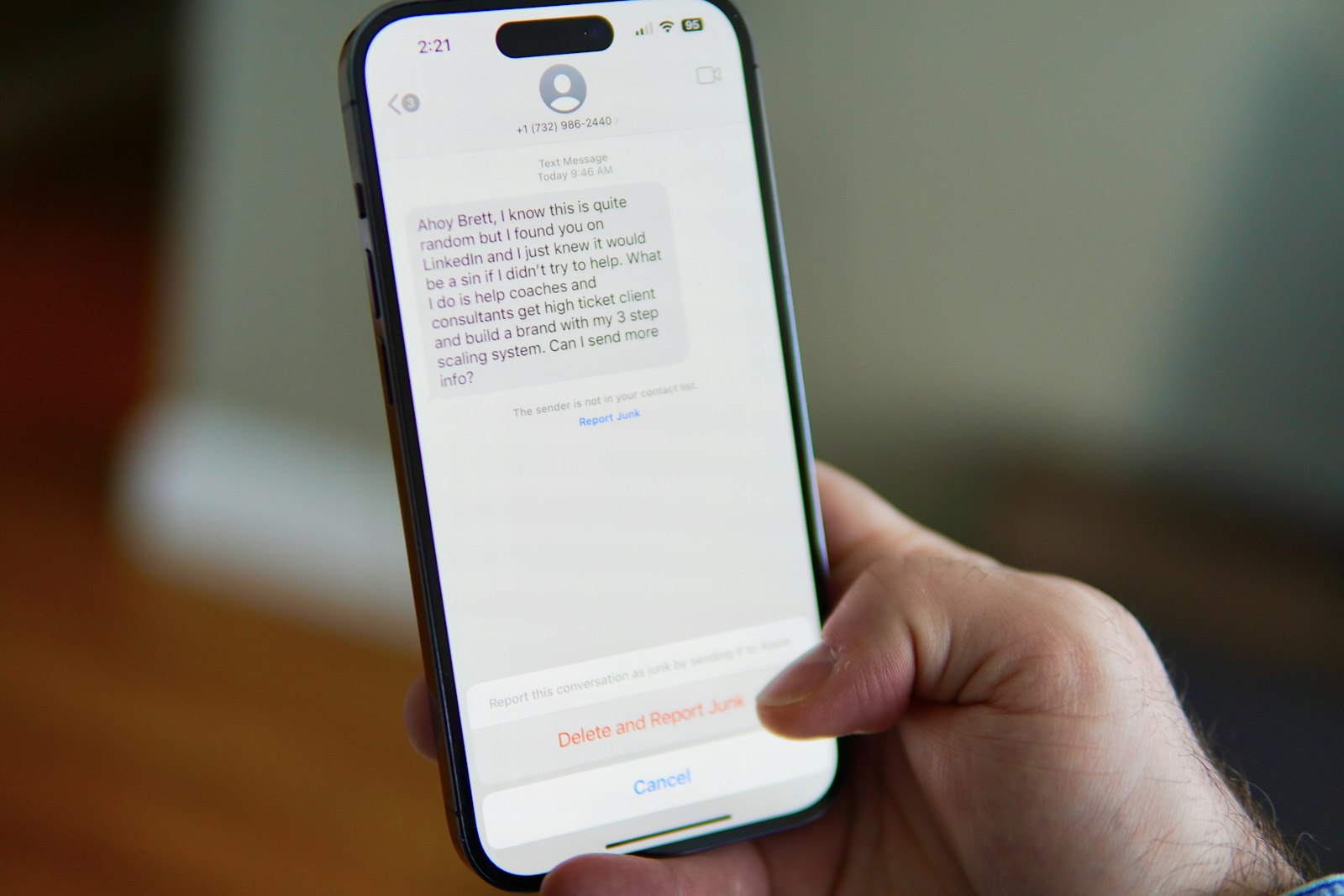
Delivery-problem texts with links are a classic Black Friday phishing lure. Check tracking in the carrier's own app instead.
The recovery path: report → dispute → chargeback
If you paid by credit card, you have the strongest protection in American consumer law. If you paid by debit card, your protection is real but weaker and far more time-sensitive. If you paid by wire transfer, gift card, or cryptocurrency, recovery is unlikely — which is exactly why scammers push those methods. Here is the process, in order, with the day counts.
Step 1 — Freeze the damage (Day 0, the day you spot it). Do not wait to see if the package shows up. If the charge is one you never authorized, call your card issuer at once and ask for the card to be frozen or reissued. If the charge was authorized but the goods never arrived, gather your evidence now: order confirmation, screenshots of the listing and the price, the tracking page, every email or chat with the seller, and photos of anything that did arrive. Save the seller's web address and take screenshots — fake storefronts disappear fast.
Step 2 — Contact the seller in writing (Days 0–3). Email or message the seller through the platform and ask for a refund or a real delivery date. Keep it short and keep a copy. Card issuers expect you to try this first, and a written record with a date stamp strengthens your dispute. If the seller is a ghost — no reply in 48 hours, or the site is already gone — move on to Step 3 without waiting longer. A scammer's favorite tactic is to keep you "in conversation" until your deadline passes.
Step 3 — Report the fraud (Days 0–7). File a report at reportfraud.ftc.gov — the FTC's reporting site. Give the seller's name, web address, the amount, the date, and how you paid. The FTC will not get your money back for you, but the report creates a record, feeds investigations, and helps other shoppers: the FTC's data are what warn the public about the next wave of fake stores. Also file a complaint with your state attorney general's consumer-protection office, and with the Internet Crime Complaint Center at ic3.gov if the loss is large. If the scam ran on a marketplace (Amazon, eBay, Walmart, Facebook Marketplace), report the seller inside that platform too — platforms can freeze a seller's payouts, which sometimes produces a refund even after the seller has gone quiet.
Step 4 — Dispute with your card issuer (within 60 days — treat it as your hard deadline). This is the step that gets money back. Under the federal Fair Credit Billing Act (FCBA), 15 U.S.C. § 1666, you have 60 days from the date your card issuer mailed or delivered the statement showing the charge to send a written billing-error notice. The notice must go to the address your issuer designates for billing disputes — usually different from the payment address on your bill. The FCBA covers charges you did not authorize, charges for the wrong amount, charges for goods never delivered, and math errors on your statement.
Once the issuer receives a timely written notice, it must acknowledge it within 30 days and finish its investigation within two billing cycles and no more than 90 days. While the dispute is open, you generally do not have to pay the disputed amount. For unauthorized charges specifically, your liability on a credit card is capped at $50 — and most issuers waive even that, so in practice it is $0.
A phone call or an in-app dispute starts the process and most banks will investigate it, but the full FCBA protection attaches to the written notice. For a charge worth hundreds of dollars, send the letter by certified mail with a return receipt — that gives you proof you met the 60-day deadline if the issuer later claims it never received your notice. The FTC publishes a free sample dispute letter you can adapt.
Behind the scenes, your dispute triggers a chargeback: the card networks (Visa, Mastercard, and others) give issuers roughly 120 days from the transaction date to pull the payment back from the merchant's bank. That network clock is separate from the 60-day FCBA clock, and it is longer — but treat 60 days as your safe deadline, because the FCBA clock is the one the law guarantees, and some issuers apply the shorter window.
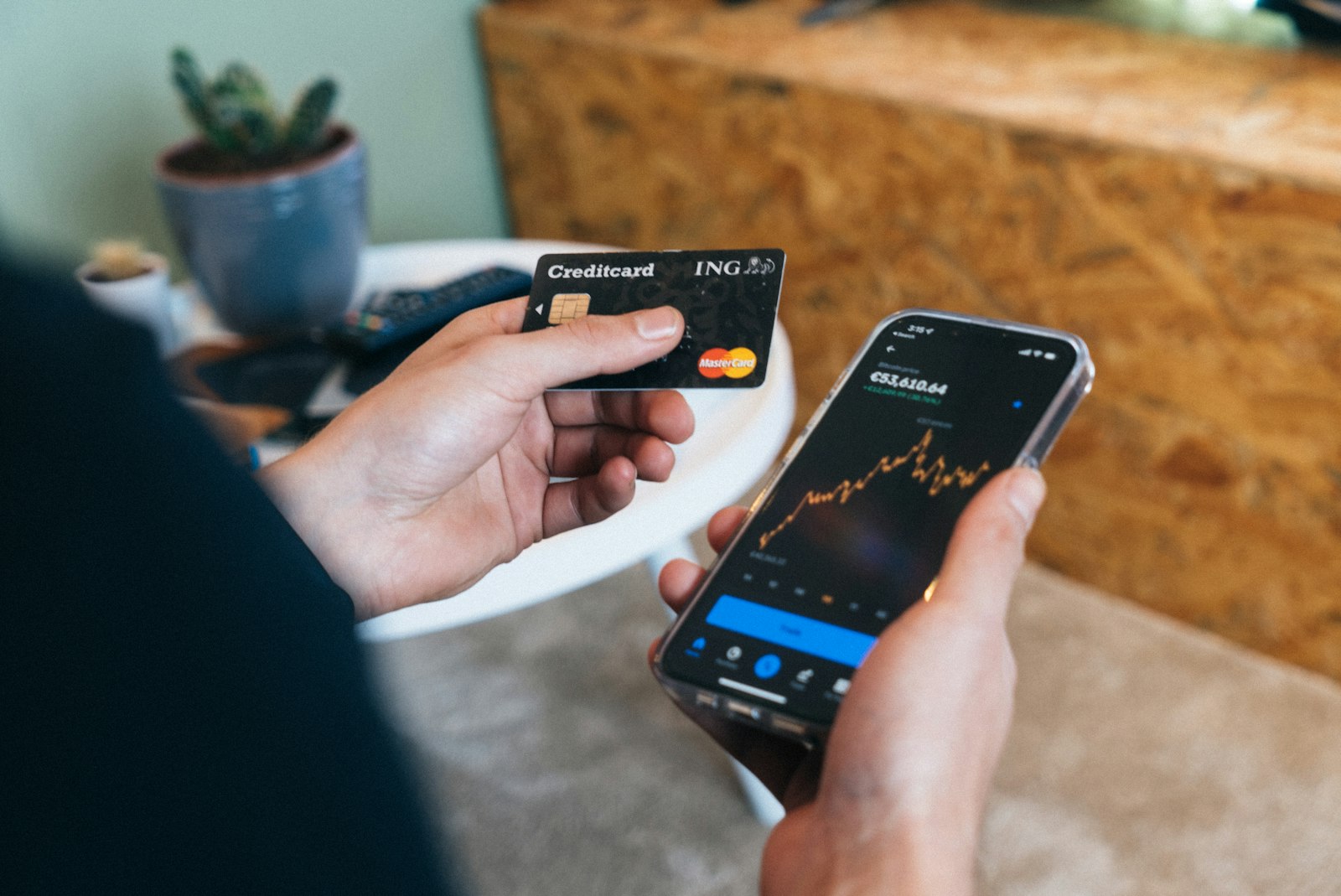
A credit card dispute, filed in writing within 60 days of your statement, is the strongest tool you have.
Step 5 — If you paid by debit card, move faster. Debit cards run under a different law, the Electronic Fund Transfer Act and its Regulation E, and the math is less forgiving:
| Debit-card report timing | Your maximum liability |
|---|---|
| Lost or stolen card reported within 2 business days of learning of the loss | $50 |
| Reported after 2 business days but within 60 days of the statement showing the unauthorized transfer | $500 |
| Reported more than 60 days after that statement | Unlimited — you can lose everything taken after the 60-day window that the bank could have stopped |
There is one softer rule: if only your card number was stolen (the physical card was never lost), you have 60 days from the statement to report with no liability for the unauthorized transfers. The practical lesson is the same either way: a debit card pulls money straight out of your bank account, and while the dispute is open, that money is gone from your balance. A credit card dispute, by contrast, holds the charge off your bill. For Black Friday shopping from any seller you have not used before, a credit card is the safer way to pay.
Step 6 — If the dispute is denied, escalate. If your issuer denies the dispute, ask for the reason in writing and for the evidence the merchant supplied. You can ask the issuer to reopen it with new evidence — for example, a delivery photo showing an empty box, or a screenshot proving the tracking number was never valid. You can also file a complaint with the Consumer Financial Protection Bureau (CFPB) at consumerfinance.gov; banks answer CFPB complaints, and the complaint creates a second paper trail. If the amount is large and the issuer will not budge, a short consultation with a consumer attorney is worth it — many take these cases on contingency or for a flat fee, and some state consumer-protection laws allow fee recovery.
Worked example: Marcus Bennett and the $219 vacuum that never shipped
Meet Marcus Bennett, a hypothetical 34-year-old in Columbus, Ohio. On Black Friday, November 27, 2026, he sees an ad for a robot vacuum listed at $219 — about half the price at big retailers — on a site called a discount outlet he has never used. He pays with his credit card. The site emails an order confirmation and a tracking number. By Monday, November 30, the tracking page still says "label created." He emails the seller; no reply. On Wednesday, December 2, the website is gone.
Here is his recovery, with the clock:
| Date | Day | What Marcus does |
|---|---|---|
| Fri 27 Nov 2026 | Day 0 | Orders the vacuum, $219, by credit card. Saves the confirmation and screenshots the listing. |
| Mon 30 Nov | Day 3 | Tracking still shows "label created." Emails the seller asking for a delivery date. Keeps a copy. |
| Wed 2 Dec | Day 5 | Website is gone, no reply. Files a report at reportfraud.ftc.gov and reports the seller to his state attorney general. |
| Thu 3 Dec | Day 6 | Calls his card issuer, opens a dispute for "goods not received," and mails a written billing-error notice by certified mail to the issuer's dispute address. |
| Mid-Dec | ~Day 14 | Issuer issues a provisional credit of $219 while it investigates. Marcus does not have to pay that $219 on his bill. |
| Within 90 days of Dec 3 | — | Issuer must finish the investigation (two billing cycles, max 90 days). The seller cannot answer because the store no longer exists. Dispute resolved in Marcus's favor; the $219 credit becomes permanent. |
Marcus's total out-of-pocket loss: $0, plus about two hours of his time and the cost of one certified letter (about $4–$5 at the post office). The keys were the payment method and the speed. Had Marcus paid by debit card and waited until January to report, his liability could have been $500 — more than double the $219 he lost. Had he paid by wire transfer or gift cards, the $219 would almost certainly be gone: the FTC's own data show gift-card scam payments of $212 million in 2024 with almost no recovery, because gift cards work like cash once the code is read out.
The same math scales. At the FTC's 2024 median reported loss of $497, a shopper who follows Marcus's path and pays by credit card stands to recover the full $497. A shopper who pays by debit card and reports late can be out $500 of it. The difference between those two outcomes is not luck — it is the payment method and the calendar.
What a refund is not: returns vs fraud
This post is about fraud recovery, not ordinary returns. If a real retailer ships the real item and you simply change your mind, your rights come from the store's return policy, not from the FCBA — most stores set their own windows, and a "final sale" item is usually final. That is the subject of the companion post on Black Friday returns. The line between the two matters: a denied return from a real store is a policy dispute, and a chargeback filed over a legitimate "final sale" can be denied and can get your account flagged. A payment to a seller who never ships, ships a counterfeit, or disappears is a billing error, and the FCBA is built for exactly that.
A 5-minute checklist before you click "buy" this Black Friday
- Pay by credit card, never by wire, gift card, or crypto for a seller you have not used before. The $50 liability cap and the 60-day dispute right are worth more than any discount.
- Check the seller's address and phone number — a real business lists both. Search the store name plus the word "scam" before you pay.
- Screenshot the listing, the price, and the confirmation. If the site vanishes, your screenshots are your evidence.
- Do not click delivery-problem links in texts or emails. Go to the carrier's site or app directly and type in the tracking number yourself.
- Set a calendar reminder for 30 days after your purchase. If nothing has arrived by then, you are still inside every deadline that matters — file the dispute that day.
This post is general information about US consumer-protection law, not legal advice. Fraud-recovery deadlines run from your statement date, not from the purchase date, and your card issuer's own rules may be shorter than the federal minimums. For a large loss, or if a dispute is denied, talk to a consumer attorney in your state.
FAQ
How much money did Americans lose to fraud in 2024?
More than $12.5 billion, according to the Federal Trade Commission's Consumer Sentinel Network data published in March 2025 — up 25% from $10 billion in 2023. The FTC received 2.6 million fraud reports, and 38% of people who reported a fraud said they lost money, up from 27% in 2023. The median reported loss was $497.
What are the most commonly reported scams?
Imposter scams were the most commonly reported fraud category in 2024, and online shopping problems were the second most commonly reported. Investment scams caused the largest dollar losses ($5.7 billion), followed by imposter scams ($2.95 billion).
How long do I have to dispute a fraudulent credit card charge?
Under the Fair Credit Billing Act, 60 days from the date your card issuer sent the statement showing the charge, for a written billing-error notice. Card-network chargeback rules allow roughly 120 days from the transaction, but treat 60 days as your hard deadline. Your issuer must acknowledge your notice within 30 days and resolve it within two billing cycles and no more than 90 days.
What is the deadline if I paid by debit card?
Under Regulation E, report a lost or stolen card within 2 business days to cap your liability at $50; within 60 days of the statement to cap it at $500; after 60 days your liability can be unlimited. If only the card number was stolen, you have 60 days from the statement with no liability for the unauthorized transfers.
Can I get money back if I paid a scammer with gift cards?
Almost never. Gift cards work like cash once the code is given away, and in 2024 Americans reported losing $212 million to scams paid with gift cards or reload cards. If you already sent the codes, call the card issuer's fraud line at once (the FTC lists the numbers at ftc.gov/giftcards) and file at reportfraud.ftc.gov — fast action occasionally freezes an unspent balance, but recovery is the exception, not the rule.
Does the FTC get my money back if I report a scam?
No. The FTC uses reports to investigate and warn the public, but it does not intervene in individual complaints. Your money comes back through your card issuer's dispute and chargeback process, which is why the 60-day deadline matters.


Comments
Post a Comment