How to Contest a Traffic Ticket in the US: Costs, Timeline, and Odds
A traffic ticket rarely feels like a big deal on the day you get it. The officer hands you a slip of paper, you drive away, and life goes on. Then the bill arrives, your insurance renewal comes around, and that one ticket starts to look expensive. A $300 fine can turn into $2,000 over three years once higher insurance is added in. That is why so many drivers ask the same question: is it worth fighting the ticket, or should you just pay it and move on? This guide walks through the real costs, a realistic timeline, and the odds, so you can make that call with numbers in front of you instead of guesswork.
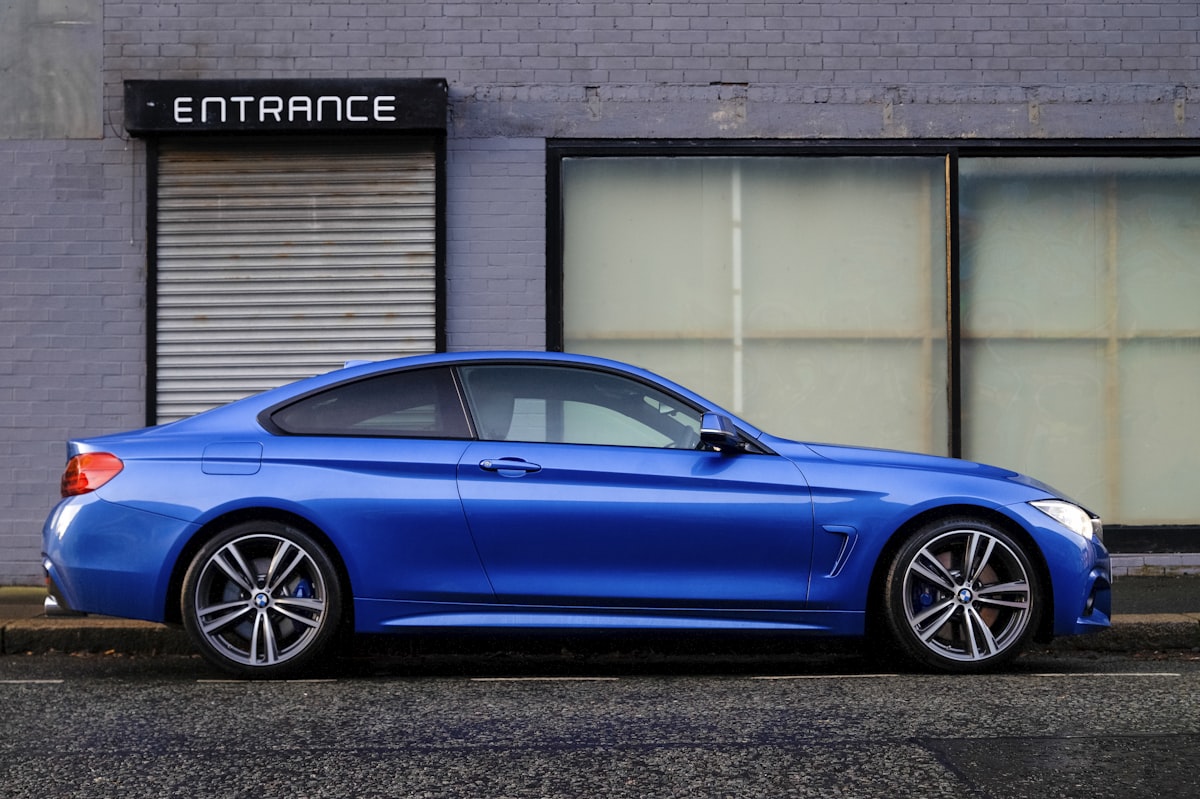
Photo: A blue car parked on a street. Image source: Unsplash.
What Does Contesting a Ticket Actually Mean?
Contesting a ticket means you plead not guilty and ask a court to decide whether the state proved the violation. You are not arguing that speeding is fine, or that the officer was rude. You are asking a narrower question: did the officer have the evidence, the measurement, and the paperwork to prove this ticket, on this road, on this day? If the answer is no, the ticket is dismissed. If the answer is yes, the fine stands, and in most places you still have the same options you had before, such as traffic school or a payment plan.
There are three common ways to fight a ticket in the United States. The first is a trial by written declaration, where you send a written statement and evidence to the court by mail. California allows this for many traffic infractions under Vehicle Code 40902, using court form TR-205, and the California Courts Self-Help Guide explains that it lets you fight a ticket without going to court in person (checked 18/11). The second is an in-person court hearing, where you and the officer both appear before a judge. The third is hiring a traffic lawyer to appear for you, which is common in states where the driver does not have to show up in person.
Before you pick a route, read the ticket itself. It lists the violation code, the fine or bail amount, and the date you must respond by. That response date is the deadline that matters most. Miss it, and the court can add a failure-to-appear charge, suspend your licence, or send the fine to collections. Put the date in your phone the same day you get the ticket.
The Costs: The Fine Is Only the First Number
Most drivers compare the fine with the cost of a lawyer and stop there. That misses the largest cost of all, which is insurance. A single speeding ticket raises car insurance premiums by nearly 24% on average, or more than $550 a year, according to LendingTree (checked 18/11). Bankrate reports a similar pattern, with a speeding ticket raising rates by 39% in California, 49% in North Carolina, and 40% in Wyoming, and it cites an Experian study that put the average yearly increase at $582 (checked 18/11). Those increases usually last about three years, so the insurance bill is where a ticket really hurts.
In California, a trial by written declaration has no extra court fee, but you must pay the full bail amount up front, which TicketFight reports as $234 to $486 or more for most speeding tickets (checked 18/11). That money is refunded if you are found not guilty. The table below puts the three usual choices side by side for a typical speeding ticket.
| Choice | Upfront cost | Insurance over 3 years | 3-year total |
|---|---|---|---|
| Pay the ticket and move on | $384 fine (example) | About $1,650 extra | About $2,034 |
| Contest and win | $384 bail, refunded | $0 extra | $0, plus your time |
| Contest and lose | $384 fine | About $1,650 extra | About $2,034 |
| Traffic school, where eligible | $384 fine plus a $25 to $50 course | $0 extra if the point stays off your record | About $409 to $434 |
Traffic school is the middle path many drivers overlook. In California, it is generally available once every 18 months for an eligible moving violation, and it keeps the point off your driving record, which is what keeps your insurance from rising. Check the courtesy notice from your court before you count on it, because commercial drivers, serious speeding, and some other violations do not qualify.
A Worked Example: Daniel Carter and a $384 Ticket
Daniel Carter, 34, drives to work in Austin, Texas, every weekday. One Tuesday morning he is stopped for driving 52 mph in a 35 mph zone. The ticket total is $384, which sits inside the $234 to $486 range TicketFight reports for most California speeding tickets (checked 18/11), and Daniel uses it as his working number while he checks the Texas amount on his own citation.
If Daniel simply pays, the maths is blunt. He pays $384 now. His insurer then adds about $550 a year to his premium, using the LendingTree average of more than $550 a year for a single speeding ticket (checked 18/11). Over three years that is $550 x 3 = $1,650. His three-year cost is $384 + $1,650 = $2,034.
If Daniel contests the ticket and wins, the court refunds his bail and no point goes on his record. His three-year cost is $0, apart from the four or five hours he spent writing his statement, gathering photos, and going to court. If he contests and loses, he is back where he started: $384 plus the same $1,650 in insurance, or $2,034 in total. The gamble, in plain terms, is a few hours of his time against a possible saving of $2,034.
Daniel has one more option. If traffic school is open to him, he pays the $384 fine and a $35 online course, or $419 in total, and the point stays off his record. That is $1,615 less than paying and taking the insurance hit. For a driver with a clean record and a straightforward ticket, traffic school is often the cheapest certain outcome. For a driver who thinks the ticket itself was wrong, contesting is the only route that can wipe the fine away completely.

Photo: A judge's gavel on a wooden desk. Image source: Unsplash.
The Timeline, Step by Step
Contesting a ticket is not a same-day job. Give it four to eight weeks from the day you are stopped to the day you get a decision, and longer if the court is busy. Here is a timeline you can plan around.
Day 0: The stop. Stay calm, take the ticket, and write down what happened while it is fresh: the road, the speed limit sign, the weather, the traffic around you, and what the officer said. Take photos of the speed limit sign and the stretch of road that same day if you can do it safely.
Days 1 to 7: Read everything. Check the violation code, the fine, and the date you must respond by. Look for a courtesy notice in the mail, which many California courts send with the fine amount and your options. Decide whether you want a written declaration, a court hearing, or traffic school.
By the response date on the ticket: File your plea. Plead not guilty and request a trial, or in California, file a trial by written declaration on form TR-205. Pay the bail amount the court asks for. Keep the receipt and a copy of everything you send.
2 to 6 weeks later: The court decides or sets a hearing. With a written declaration, the judge reads your statement and the officer's statement and mails a decision. With an in-person hearing, you get a court date, often three to six weeks after you file. Bring your photos, your dashcam clip on a phone or laptop, and any repair or calibration records that help your case.
Hearing day: Keep it short and factual. Judges hear dozens of these cases. State the facts, show the evidence, and ask the questions that matter: how was your speed measured, when was the device last checked, and was the speed limit sign visible where you were stopped?
After the decision: Act fast if you lose. If the court finds you guilty, ask the clerk about traffic school, a payment plan, or an appeal. Appeal deadlines are short, often 30 days in California, so do not wait a month to ask.
What Are the Odds of Winning?
There is no reliable national win rate for contested traffic tickets, and any website that quotes one without a source is guessing. Courts do not publish a single dismissal rate, and the result depends on facts that change from case to case: whether the officer appears, whether the speed measurement holds up, and whether the ticket itself has an error that matters.
That said, some patterns show up again and again. Tickets are more likely to be dismissed when the officer does not appear, when the violation code or the location on the ticket is wrong in a way that matters, or when the driver can show with photos or a dashcam clip that the sign, the road markings, or the traffic conditions were different from what the ticket describes. Tickets are harder to beat when the officer's notes are detailed, the speed was measured by radar or laser with a recent calibration record, and the driver has no evidence beyond saying they were not speeding.
A good test before you contest is to ask yourself one question: what evidence do I have that the court does not already have? A photo of a missing or hidden speed limit sign, a dashcam clip, or a record that your speedometer was repaired the week before are all real evidence. A feeling that the fine is too high is not. If you have no evidence at all, traffic school or a negotiated reduction may be a better use of your time than a hearing.

Photo: A driver on the road. Image source: Unsplash.
When to Pay, When to Fight, and When to Get a Lawyer
Pay the ticket, or take traffic school, when the evidence against you is strong, the fine is small, and you need the matter closed quickly. A first speeding ticket with a clear radar reading and a clean driving record is often a traffic school case, not a court case.
Fight the ticket when you have evidence, when the ticket has a real error, or when a conviction would cost you more than the fine. A commercial driver, a driver who already has points, or a driver whose job depends on a clean licence has far more at stake than the fine alone, and for them the insurance maths in Daniel's example is only part of the story.
Consider a traffic lawyer when the charge is serious, such as reckless driving, driving without a licence, or a ticket that could suspend your licence. Many traffic lawyers work on a flat fee, so ask for the fee in writing before you hire anyone, and ask whether the fee covers the hearing, the written declaration, and any follow-up if you lose. If the lawyer's fee is more than the fine plus the insurance increase you expect, paying the ticket may still be the cheaper choice. If you were in a crash as well as getting a ticket, read our guide on what to do after a minor car accident in the US before you talk to the other driver's insurer.
For the first steps after any ticket, see our earlier guide on what to do if you get a traffic ticket in the US. If your case ends up in court over a larger amount, our small claims court guide explains how court filings, deadlines, and hearings work in plain English.
Frequently Asked Questions
How long do I have to contest a traffic ticket?
You must respond by the date printed on the ticket, which is often a few weeks after the stop. That date is your deadline to plead not guilty or request a trial. Missing it can add extra fines or a licence suspension.
Does contesting a ticket cost more if I lose?
In California, a trial by written declaration has no extra court fee, but you pay the bail up front (TicketFight reports $234 to $486 or more for most speeding tickets, checked 18/11). If you lose, you pay the fine and may still face the insurance increase. Some courts add fees for a missed appearance, so do not skip a hearing you requested.
Will my insurance go up if I contest and lose?
Yes, if the conviction and the point go on your record. LendingTree reports a single speeding ticket raises premiums by nearly 24% on average, or more than $550 a year (checked 18/11). Traffic school, where you qualify, is the usual way to keep the point off your record.
Can I contest a ticket without going to court?
In California, yes, for many infractions, through a trial by written declaration under Vehicle Code 40902 on form TR-205, as the California Courts Self-Help Guide explains (checked 18/11). Other states have their own mail or online options, so check your court's website for the exact form.
What if the officer does not show up?
In many courts, the case is dismissed if the officer does not appear and the state has no other evidence. That is not guaranteed, and some courts will reschedule the hearing, so do not count on it as your only plan. Bring your own evidence anyway.
The Bottom Line
A traffic ticket is a maths problem as much as a legal one. Add the fine to three years of higher insurance before you decide, and the answer often changes. Daniel's $384 ticket was really a $2,034 ticket once insurance was counted. Traffic school cut that to about $419. Winning in court cut it to $0. Work out your own three-year total, check the response date on your ticket, gather the evidence you actually have, and then choose the option that fits your record, your time, and your budget. A calm, written, evidence-based challenge beats an angry argument in court every time.
Disclaimer: This article is for general information, not legal advice. Traffic laws, fines, and court procedures vary by state and by court. Check your ticket and your court's website, and contact a licensed traffic lawyer in your state if you need advice about your specific case.
Sources checked 18/11: California Courts Self-Help Guide, Trial by Written Declaration (Vehicle Code 40902, form TR-205); LendingTree, speeding ticket insurance increase, nearly 24% and more than $550 a year; Bankrate, speeding ticket insurance increases by state, including California 39%, North Carolina 49%, and Wyoming 40%, citing Experian, $582 a year on average; TicketFight, trial by written declaration bail of $234 to $486 or more for most speeding tickets, with no extra court fee.


Comments
Post a Comment